
The Human Being
A Conglomeration of Visible and Hidden Traits
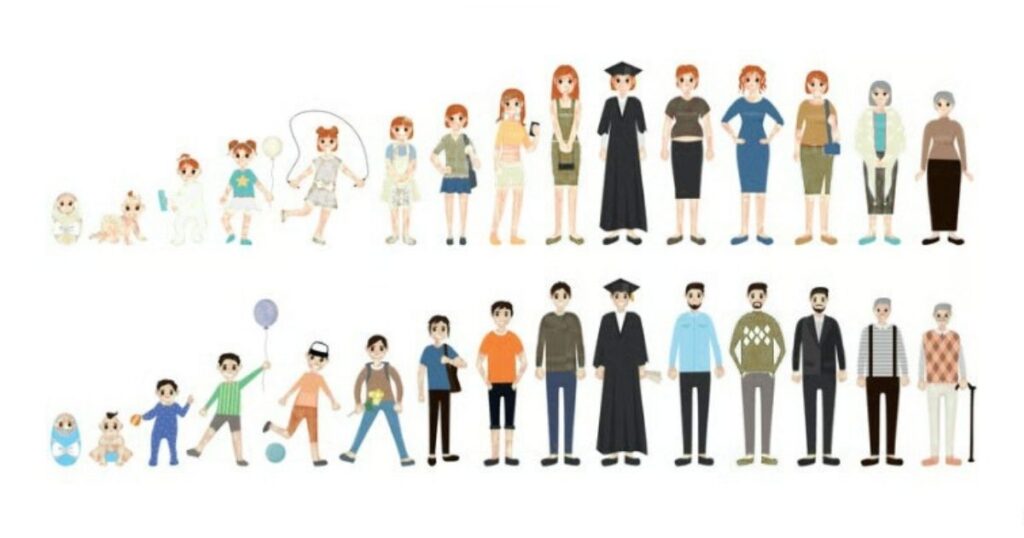
The human being is a complex and fascinating species characterized by a multitude of visible and hidden traits. In this essay, we will explore the idea that humans are a conglomeration of these two aspects and how they interact to shape an individual’s essence. We will delve into both psychological and sociological aspects to gain a comprehensive understanding of humans as unique and multifaceted beings.
I. Visible Traits of Humans
Visible traits are those we can perceive externally. They include physical features such as appearance, body structure, clothing style, and body language. These aspects play a significant role in forming our initial impression of a person and can offer insights into their personality. However, they are only the surface of a complex individual and can often be misleading.
A. Physical Features and External Appearance
Physical features like skin color, eye color, hair type, and height are obvious visible traits influenced by genetics and the environment. Our external appearance may influence how we are perceived and judged by others, but it is important to emphasize that it does not paint the complete picture of a person.
B. Clothing Style and Body Language
A person’s clothing style can reveal much about their personality, affiliations with social groups, and individual tastes. Similarly, body language is an expression of what is happening internally. Gestures, facial expressions, and posture can provide clues about emotions, self-confidence, and social interactions.
II. Hidden Traits of Humans
Hidden traits are those not immediately apparent, concealed beneath the external facade. They include personality traits, values, beliefs, motivations, and emotions. These invisible aspects profoundly shape a person’s being and are often more complex and influential than visible traits.
A. Personality Traits and Inner World
A person’s personality is a complex network of various characteristics such as extraversion, agreeableness, openness to experience, conscientiousness, and emotional stability. These traits influence how a person thinks, feels, and acts and play a central role in their relationships with others and life choices.
B. Values, Beliefs, and Motivations
A person’s values and beliefs shape their moral compass and influence their decisions and actions. They can be influenced by culture, upbringing, experiences, and personal reflections. Motivations behind a person’s actions can be multifaceted, ranging from intrinsic desires for self-realization to extrinsic factors like social recognition or material gains.
C. Emotions and Inner Conflicts
The diversity of human emotions reflects the complexity of our inner world. Happiness, sadness, fear, love, anger, and many other feelings shape our experiences and influence our behavior. Internal conflicts arising from the interplay of these emotions can significantly impact a person’s mental health and well-being.
III. The Interaction between Visible and Hidden Traits
The human being is more than the sum of its parts. Visible and hidden traits interact and influence each other. External appearance may sometimes provide clues about internal states, but it can also be deceiving. People may appear similar externally, but their inner worlds can vary greatly.
Our inner traits can evolve over time, shaped by experiences, education, and interpersonal relationships. At the same time, external factors such as the social environment, culture, and societal norms can have a feedback effect on our personality.
Conclusion
Undoubtedly, the human being is a conglomeration of visible and hidden traits. Visible traits may provide information at first glance, but they are merely the surface of an individual. The true complexity and uniqueness of a person are revealed in their hidden traits, such as personality, values, motivations, and emotions. It is crucial to recognize and respect this multifaceted nature to gain a better understanding of ourselves and others and build a compassionate and empathetic society.